

GOVERNMENT FUNDS PROJECTS TO STRENGTHEN NURSING TRAINING AT DWU WEWAK CAMPUS

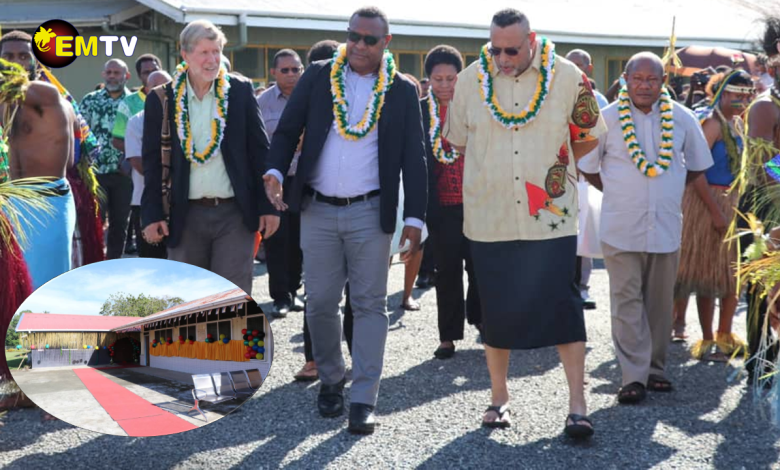
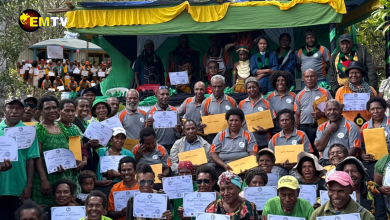
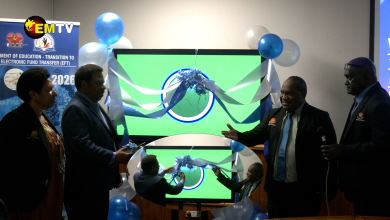
Divine Word University’s (DWU) St Benedict Wewak Campus on Tuesday hosted the opening and blessing of two key infrastructure projects aimed at strengthening student welfare and academic training.
The projects include a Male Students’ Recreational Hall, constructed at a cost of over K400,000, and a Nursing Simulation Laboratory Extension, built at a cost of more than K800,000 by contractor GOLB Bell Construction.
National Planning Secretary Koney Samuel reminded students and academic staff of the Government’s long-term development vision and the role young Papua New Guineans must play in shaping the country’s future.
“Papua New Guinea’s future will be shaped by the young people sitting in classrooms and lecture halls today. As students, you must begin thinking about how you will contribute to nation-building. Study hard, graduate, and use the knowledge and skills you gain to add value and help move our country forward,” Samuel said.
DWU Vice President for Planning and Development Julie Ruene confirmed that both projects were delivered on schedule and within the approved budget.
Ruene explained that the Nursing Simulation Laboratory Extension is a critical requirement under the Nursing Council’s accreditation standards for the academic nursing program.
Meanwhile, the new recreational hall provides a much-needed student facility, including two enclosed study rooms and an eight-bed sick bay for students requiring medical attention.
“The recreational hall was an initiative of the campus. The University is grateful for the Government’s funding support and, more importantly, for the confidence and trust placed in us to deliver infrastructure that strengthens and supports our teaching and learning curricula,” Ms Ruene said.
East Sepik Governor Allan Bird encouraged nursing students to make full use of the new simulation laboratory, noting that practical training facilities are vital for developing competence in the medical field.
He said Papua New Guinea continues to face a critical shortage of medical workers.
“In East Sepik Province alone, we require about 45 doctors to serve the population, but we currently have only 33. If we are short here, it means many other provinces are facing similar shortages,” Governor Bird said.
DWU Council Representative Professor Fr Philip Gibbs said the occasion was not merely about opening new buildings, but about celebrating investment in people.
“These facilities represent our commitment to developing capable and compassionate professionals who will serve communities across Papua New Guinea,” he said.
Both projects were funded under the 2024 Public Investment Program (PIP).
Construction of the two facilities began in September 2025 and was completed in March 2026.
End