

PACIFIC INTERNATIONAL HOSPITAL AIMS TO DELIVER ADVANCED ORTHOPEDIC CARE IN PNG FOR THE FIRST TIME

By: Issabella Narapal
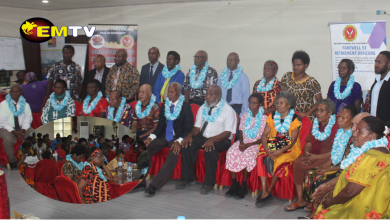
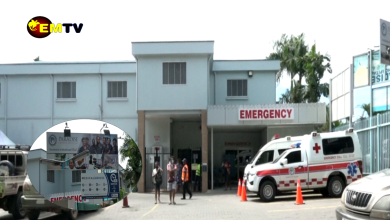
Pacific International Hospital (PIH) will host a Joint Surgery Program in Papua New Guinea, providing Papua New Guineans with access, for the first time, to advanced orthopedic care.
PIH announced the introduction of its Hip and Knee Joint Replacement Surgery Program yesterday, which will commence from 22nd to 26th August 2026 at Pacific International Hospital, located at 3 Mile, Port Moresby.
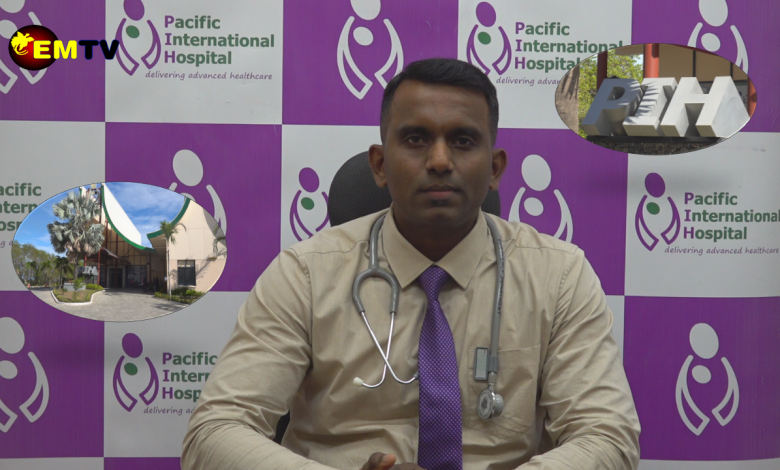
Dr. Dinesh Muddhaiah, an Orthopaedic Specialist at Pacific International Hospital, said the dedicated surgical program will be led by visiting Australian orthopedic surgeons and specialists, bringing internationally recognised expertise in hip and knee replacement procedures to PNG.
“The Australian team will be visiting PIH Hospital in August to perform this procedure. They are one of the best teams in Australia. In fact, they perform one of the highest numbers of joint replacements in Australia.
“They have a very robust team comprising the main surgeon, assistant surgeon, physiotherapists, and the team that provides the implants. They exclusively perform these procedures. They do hip replacements and knee replacements. They are the best at what they do and are very good.”
Dr. Dinesh Muddhaiah also highlighted that PIH treats the majority of skeletal problems related to bones and joints but has lacked one important aspect of treatment hip and knee joint replacement.
“We could treat most conditions, including fractures, trauma, spine injuries, and sports injuries, but we were not able to reach that ultimate stage, which was the replacement of badly damaged hips and knees. Finally, I am so glad this is happening. We are now able to offer hip replacement and knee replacement surgery.”
Currently, many Papua New Guineans requiring joint replacement surgery are forced to seek treatment overseas, often at significant financial cost and personal inconvenience. This program aims to make these procedures more accessible and affordable.
“When patients needed this over the years, we had to refer them overseas. It was not done anywhere in PNG. It used to be done occasionally in some places when visiting doctors came, but that program stopped many years ago. Patients were left with no option but to travel overseas to have the surgery. Now the same program is happening, and the same surgeries are being done on PNG soil. I would say it is a significant milestone in healthcare in PNG.”
Dr. Dinesh Muddhaiah outlined the eligibility criteria for the surgery program, stating that candidates typically include patients with severe arthritis or joint degeneration, as well as individuals experiencing chronic pain that affects their daily lives.
“Most of the patients, I would say 99% of the time, requiring knee replacement or hip replacement are usually from the older population. However, there is a very small fraction of younger patients who may also be affected, such as those with post-infective arthritis who had an infection in the knee or hip joint at an early age, resulting in joint damage. They will also benefit.
“Sometimes patients develop post-traumatic arthritis. If they suffered a fracture in the knee or hip and unfortunately could not receive the right treatment at the right time, they may also develop arthritis and will benefit from this surgery.”
Meanwhile, PIH pointed out that the Joint Surgery Program involves more than just replacing a joint. It includes a comprehensive patient evaluation from pre-operative assessment through to physiotherapy and rehabilitation.
“The surgeon will have a video consultation with the patient. He will review the X-rays even before the surgery. Once the patient agrees, and the surgeon believes a knee replacement is required, the patient will undergo a comprehensive health check, including cardiac evaluation, liver and kidney function tests, haemoglobin levels, bleeding parameters, and blood pressure monitoring.
“They will have a pre-operative evaluation and a pre-anaesthetic check-up to ensure they are fit enough to undergo the procedure. Most patients are usually over 60 years of age and may have one or more comorbidities. Everything will be taken into consideration.
“They will then be prepared for surgery, undergo the procedure by the visiting team, and receive post-operative follow-up, monitoring, physiotherapy, and training on how to walk, sit, and eventually return to driving. It is an end-to-end comprehensive program.”
Dr. Dinesh Muddhaiah encouraged Papua New Guineans suffering from severe hip and knee conditions to contact PIH and consult with the visiting Australian team to learn about the available treatment options and make an informed decision.