


The Government of Papua New Guinea is facing growing criticism over its handling of evictions across the country, particularly in the National Capital District.
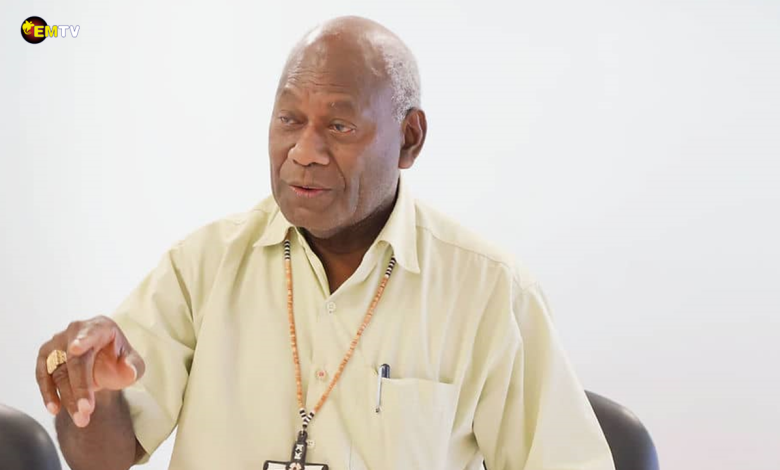
Archbishop Sir John Cardinal Ribat says Evictions in areas such as Tete and Erima Wildlife settlements have sparked concern, with questions being raised about where affected families will relocate if forced from their homes.
Concerns have been raised that proper eviction processes and legal procedures are not being followed, leaving many law-abiding citizens homeless.
Through a press statement, Sir John Cardinal Ribat says Papua New Guinea is a signatory to the United Nations International Covenant on Economic, Social and Cultural Rights, which guarantees the right to adequate housing.
Despite this commitment, ongoing evictions in NCD and other parts of the country continue to displace families, including women and children, who are left with no alternative shelter.
The Authorities say evictions are necessary to address law and order issues and support urban development. However Sir John Ribat Says true development must include improvements to people’s living conditions and livelihoods.
The government are urged to uphold its responsibility to prevent forced evictions. In cases where eviction is unavoidable, it is expected to ensure that proper measures are in place to protect citizens from homelessness and human rights violations.
Authorities, including police and the Lands Department, are also urged to carry out strict due diligence checks on land ownership before eviction notices are issued.
This follows reports of illegal evictions carried out by individuals and companies using questionable land titles.
Community leaders from the eviction sites stress that most settlement residents are law-abiding citizens, small minority are involved in criminal activities.
To address ongoing law and order concerns, there are increasing calls for the government to invest in long-term solutions. One proposal is the introduction of a government-funded, employment-oriented education program targeting at-risk youth, aimed at rehabilitation, skills training, and job placement.
The Archbishop raised this concern, noting that if the government can commit significant funding to major infrastructure projects, similar investments should also be made in human development programs to reduce crime and improve livelihoods.
There are also calls for stronger collaboration between the government, churches, educational institutions, and the private sector to deliver sustainable solutions.