

LOCAL TABOOS CONTRIBUTE TO ABOUT 650 ANNUAL CERVICAL CANCER DEATHS IN PNG

By Charlie Dumavi
Cervical cancer continues to affect women in Papua New Guinea, with cultural taboos surrounding discussions about female reproductive health making awareness and prevention efforts challenging.
Every year, thousands of women are diagnosed with cervical cancer, and approximately half of them die from the disease, making it one of the leading causes of cancer-related deaths among women in the country.
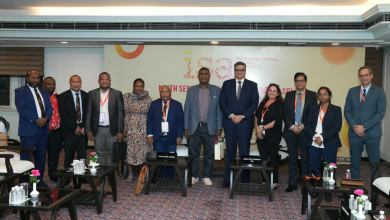
This was highlighted by Central Provincial Health Authority Director, Dr. Mary Paiwa, during the commemoration of World Cervical Cancer Elimination Day.

“Cervical cancer remains a leading cause of cancer-related deaths among women in our country,” Dr. Paiwa said.
“Every year, more than 1,000 women are diagnosed with cervical cancer, and approximately 650 women lose their lives to this preventable disease. Behind these numbers are our mothers, sisters, wives, colleagues and friends.”
She said this had prompted health authorities to intensify efforts to combat the disease among women through the introduction of the Human Papillomavirus (HPV) vaccination program.
She stressed that men in communities also have an important role to play in supporting cervical cancer prevention efforts.
The HPV vaccination program targets girls as young as nine years old.
Dr. Paiwa said Central Province would begin rolling out a voluntary HPV vaccination program next year, targeting females aged nine years and above.
The province is currently conducting awareness programs spearheaded by the Central Provincial Health Authority’s Acting Health Promotion Manager, Diana Pololi.
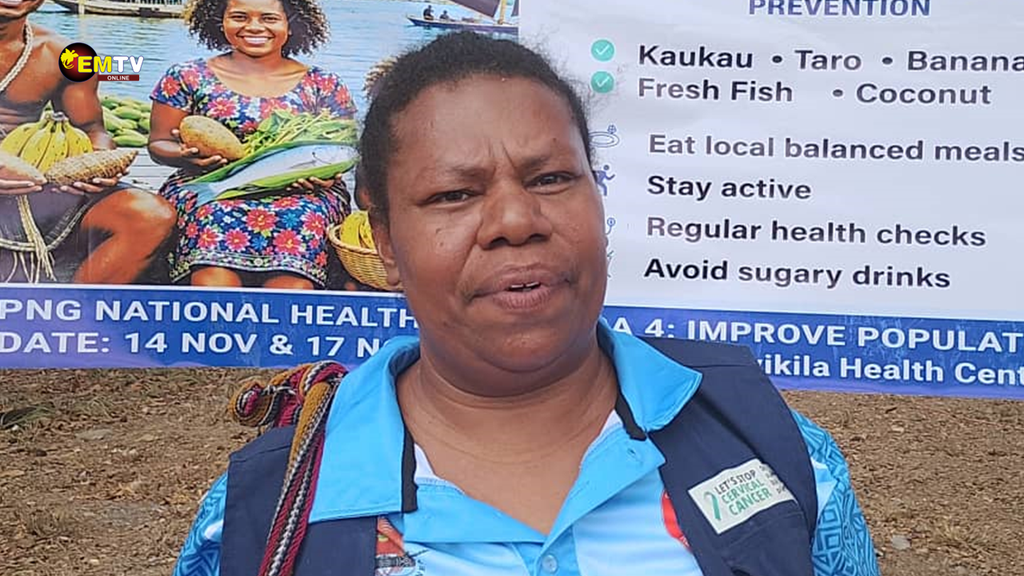
Pololi said one of the major challenges they continued to face was the cultural taboo surrounding reproductive health discussions in communities, which often prevented families from openly discussing these issues.
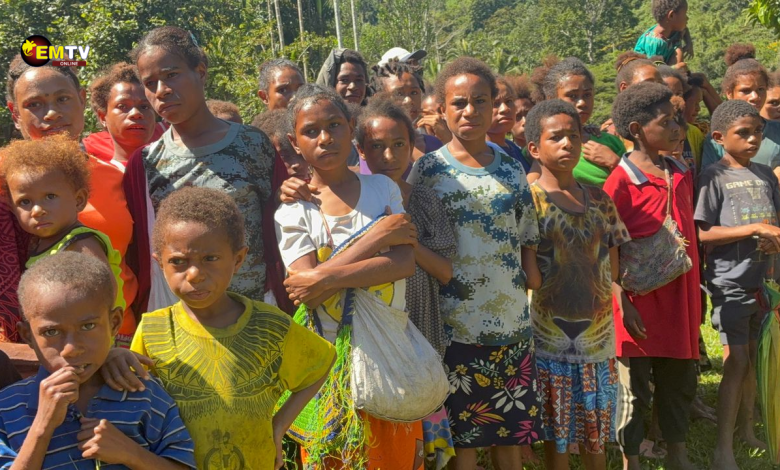
“In our provinces, we practise traditions and cultural taboos surrounding reproductive health and discussions about it,” Pololi said.
“Discussions about certain issues are considered taboo in most communities, and cervical cancer is one of them. Mothers do not even tell their daughters about menstrual hygiene, so how can they speak openly about cervical cancer?
“It is very difficult, so we are trying our best to change our approach by using local contexts and languages that people can easily relate to and understand. We can also conduct awareness in our local languages to make it easier for communities to understand.”
She added that many forms of cancer could be treated successfully if detected early.
“No woman should die from this illness. Everyone can be saved if they come forward and openly discuss cancer prevention,” she said.
Pololi said the Central Provincial Health Authority was committed to strengthening efforts to eliminate cervical cancer in the province and the country, with a major focus on ensuring young girls received the HPV vaccination.