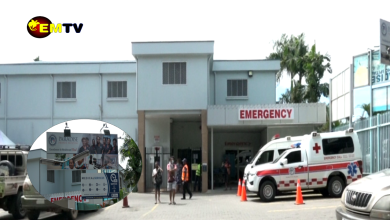




In Papua New Guinea, 44 out of every 100 women diagnosed with
breast cancer succumb to the disease, according to Pacific International Hospital (PIH)
Consultant Oncologist Dr. Michael Shawel Lemma.
Dr. Lemma shared the statistics during a breast cancer awareness session at Nasfund’s
headquarters, held as part of the fund’s support for Pinktober. He said outcomes
depend heavily on early detection and completing the recommended treatment.
He said breast cancer accounts for more than 20% of cancer cases treated at PIH,
underscoring the need for greater awareness of its signs and symptoms and the
importance of early detection.
“When breast cancer is diagnosed while it is confined to the breast, the five-year
survival rate is 99%. If it has spread to the lymph nodes, the rate is 87%,” Dr Lemma
said.
Dr Lemma said many women in PNG seek medical attention only after developing large
lumps or open wounds, when treatment is more difficult and the likelihood of a cure is
lower.
Other barriers include limited access to radiotherapy and diagnostic services, as well as
distance, cost, fear, and cultural beliefs.
Nasfund staff and management attended the session at the Port Moresby headquarters,
while teams from centers outside Port Moresby joined online.
This year’s Pinktober theme is “Every story is unique, every journey matters”.
Nasfund General Manager Talent and Culture Alex Rogea, speaking on behalf of Chief
Executive Officer Rajeev Sharma, thanked the PIH team and acknowledged the
participation of both female and male employees.
“Breast cancer can affect men as well as women, so everyone should be aware of the
signs and symptoms,” Mr. Rogea said.
Mr. Rogea said Nasfund is partnering with PIH to deliver its Employee Assistance
Program and is exploring options to include cancer screening and treatment in staff
insurance coverage.
Dr. Lemma encouraged staff to share the core message that early detection improves
breast cancer outcomes.
He recommended regular breast self-examinations, clinical
breast examinations, and appropriate imaging, including mammograms otherwise it is
important to note that early diagnosis improves a five-year survival outcome.