

Governor Robert Agarobe opens Gamoga Clan house in Kalo

By John Iamo
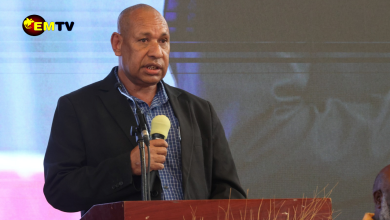
Kalo people have been told to organize themselves, sit down with church, community leaders and chiefs, to put together a ward development plan, together with their ward member in order to see tangible developments in the community.
Governor for Central Robert Agarobe was speaking during the opening of Gamoga clan house on Saturday in Kalo village, Rigo district Central Province.
The clan house is a community-initiated project built by Gamoga clan people with fund raising done and assistance from friends and families of clans from Kunika, Mumuri, and Potikele at the cost of more K46, 000.
Governor Agarobe said our communities will not develop unless we organize ourselves and work with our ward members or councilors in the communities.
He told the villagers to come with a village development plan and tell the government, where to build major infrastructures like water project, community halls and others, so the provincial government can capture the projects together with national government for counter-funding with the province.
“I came out here because I see that you are organized at the community level and in building a community house all by yourselves is a big bonus, but government will only come and value add to what you are doing”, Agarobe said.
To complete the project Governor Agarobe will fund the costs for fencing of the building, build a storeroom, landscaping and installation of solar lights which will be installed this week.
Governor Agarobe also called into Hula village after the opening the clan house to witness the Hula soccer grand finals and committed K15, 000 for a medal presentation.
Meantime Rigo MP Lekwa Gure congratulated Gamoga clan people for been resilient in building a clan house at their own expenses and resources.
He also handed over chairs and tables through his district development funds.