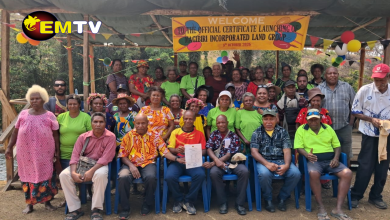



Communities across the Highlands region have strengthened their efforts to prevent Sorcery Accusation-Related Violence (SARV) through the implementation of the seven-week SARV Community Curriculum.
The program is facilitated by the Melanesian Institute, in partnership with churches, community-based organisations and Divine Word University.
The SARV Community Curriculum is designed to help communities understand the causes and consequences of sorcery accusation-related violence, challenge harmful beliefs and practices, and develop peaceful, lawful and community-based responses.
The program has been rolled out across Simbu, Jiwaka, Eastern Highlands, Enga, Southern Highlands and Hela provinces, equipping church leaders, grassroots facilitators and community members with knowledge and practical skills to challenge harmful accusations.
Churches involved in facilitating the program include the Catholic, Nazarene, Foursquare, Evangelical Lutheran Church of PNG and Gutnius Lutheran Church.
Community-based organisations and NGOs involved in Simbu Province include St Christopher Alive Association, Maunkui Agriculture CBO, police, and Community Development Agency Inc, which helps bring the curriculum closer to communities.
However, coordinators and facilitators have faced challenges including transportation costs, training materials, communication support and funding for community follow-up activities.
Despite these challenges, the SARV Community Curriculum has recorded significant progress in building local capacity to prevent sorcery accusation-related violence.A previously reported milestone placed the number of church and grassroots leaders who completed the intensive seven-week curriculum at approximately 2,880 across the Highlands region.
One of the program’s key achievements is the establishment of a growing network of trained coordinators and facilitators who can take their knowledge back to their communities, conduct local awareness activities and encourage peaceful responses to accusations.
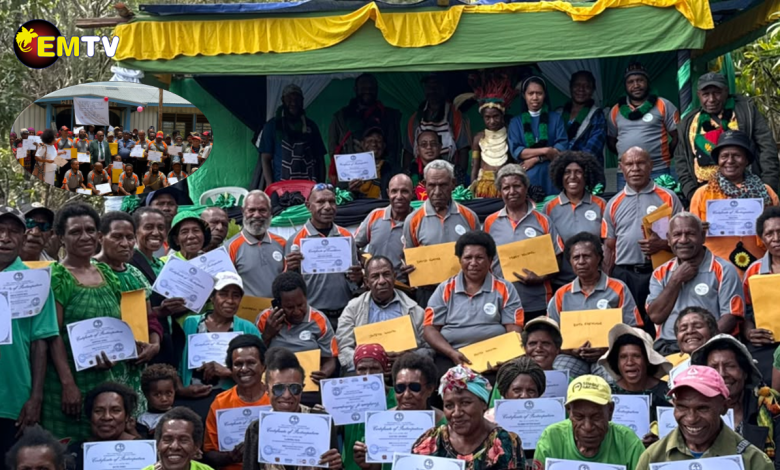
Several groups held graduation ceremonies to recognise the commitment of participants and strengthen local ownership of the prevention effort.
The Melanesian Institute and its partners continue to encourage communities to reject violence and build environments where every person is treated with dignity, compassion and respect.