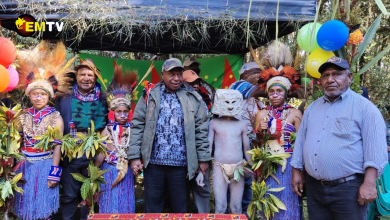



Communities in the Duke of York Islands and surrounding atolls in East New Britain Province have expressed appreciation for the ongoing support from the Building Resilience to Climate Change Project (BRCC).
The initiative, implemented since 2016 and funded by the Climate Investment Fund through the Asian Development Bank, has delivered tangible benefits to vulnerable island communities.
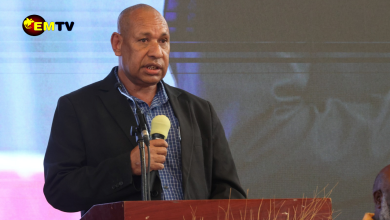
ENB Deputy Provincial Administrator Marakan Uvano acknowledged the project’s impact during the closing of a four-day climate mainstreaming workshop in Kokopo, in ENB last week. The workshop, supported by UNDP and CCDA, focused on integrating climate resilience into community, sectoral, and economic planning. Participants including ward recorders, LLG and sectoral managers, and provincial planners were trained in prioritization, proposal development, and identifying funding sources for adaptation actions.
Mr. Uvano emphasized the importance of local leadership in completing remaining project components before its scheduled conclusion in April 2025, and thanked all participants and facilitators for their commitment.
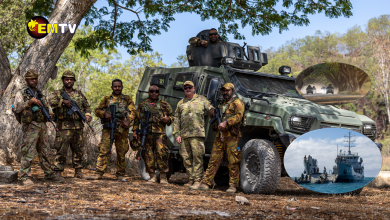
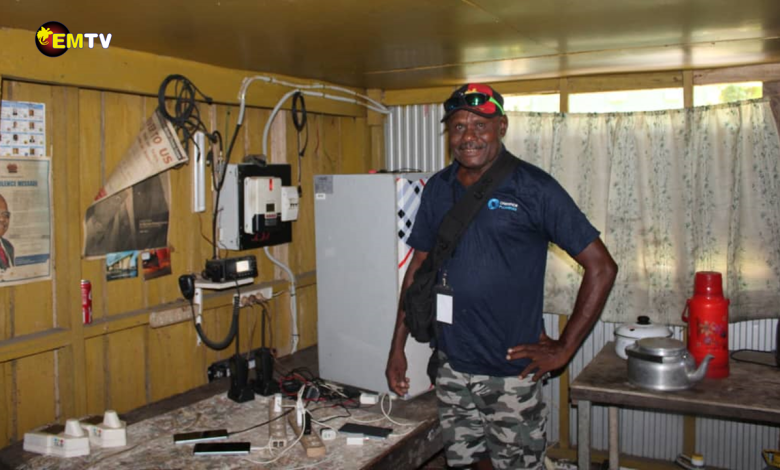
James Gatgolo, Councilor of Mioko Palpal in the Duke of York Islands, highlighted the project’s contributions: six 9000 litre tuffa tanks, a two-way radio for early warning, three dinghies with 60hp engines, and an upcoming community hall. These assets have improved access to water, transport, and emergency response for over 1,500 residents.
Other islands including Mioko Virian, Mioko Utuan, and Karawara also received similar support. Mr. Gatgolo noted that climate change has severely impacted traditional livelihoods, with declining fish stocks, saltwater intrusion, and reduced land for gardening.
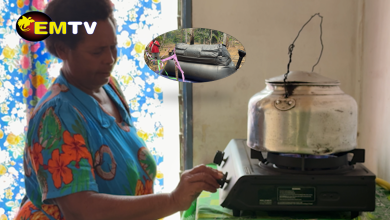
Local resident Danille Miswain shared her experience of rising sea levels since the 1970s and expressed gratitude for the project’s assistance.
Another resident, Jenny Gonaliu, welcomed the water tanks but appealed for more, citing ongoing water scarcity during dry seasons and the salinization of traditional wells.